

Caiphus Nyoka
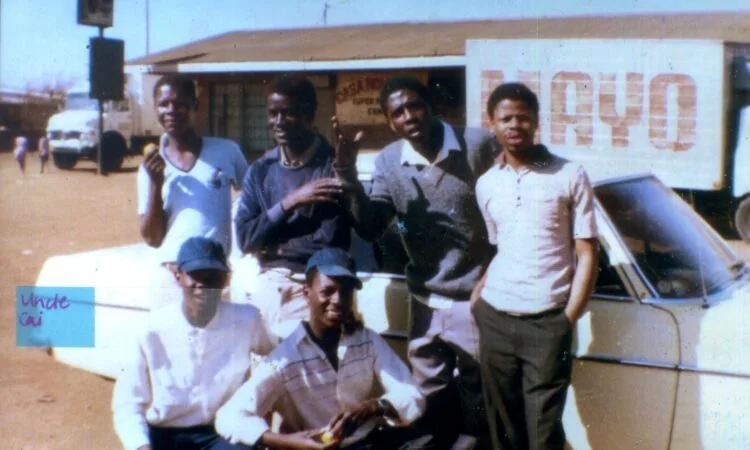
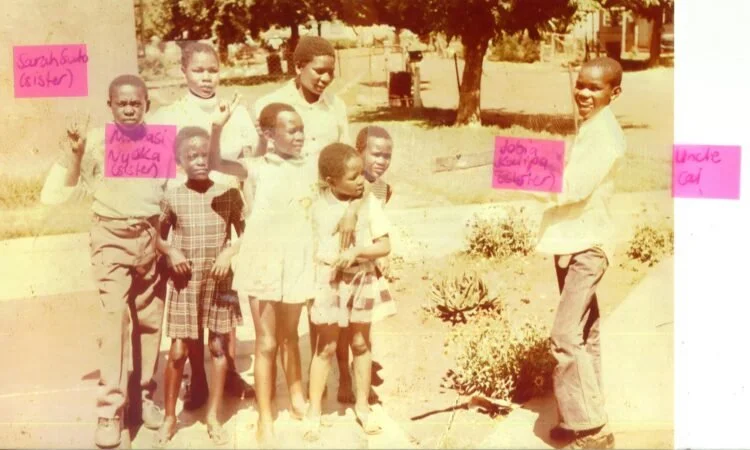
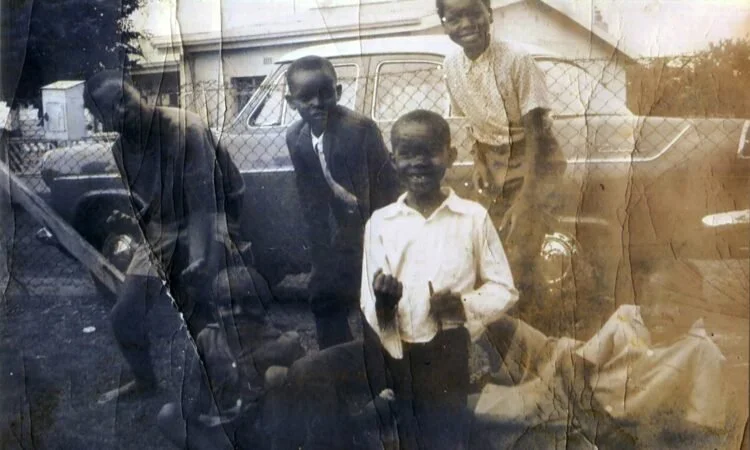
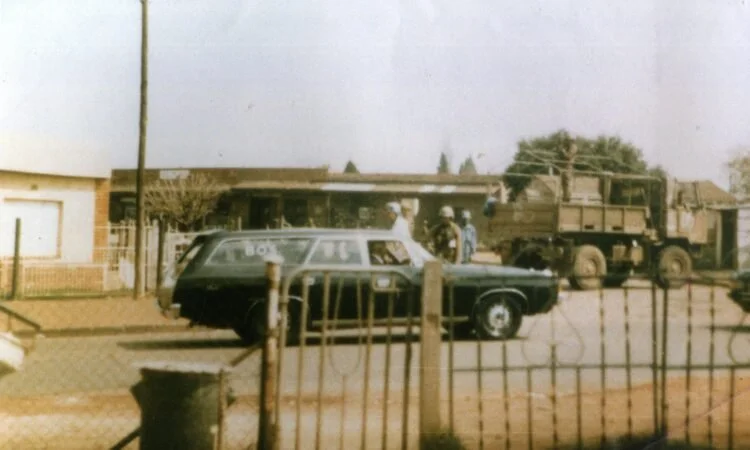
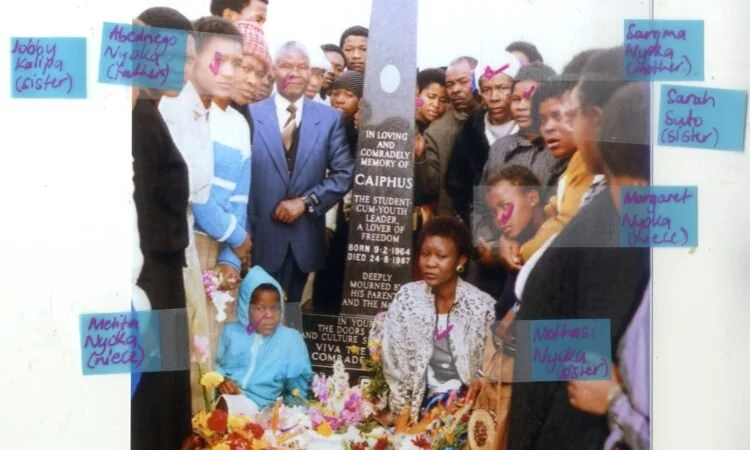
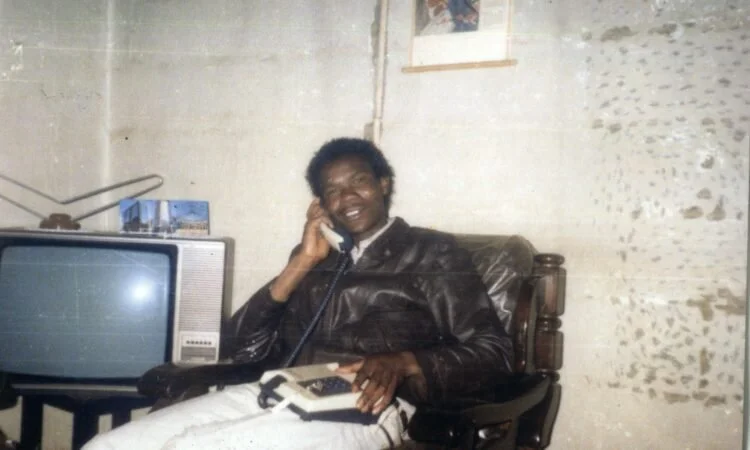
Caiphus Nyoka was a Daveyton-born student activist, community organiser and anti-apartheid leader who became a prominent figure within the Congress of South African Students (COSAS) and youth resistance movements on the East Rand during the 1980s. Known for his courage, leadership and commitment to justice, Nyoka played a key role in mobilising young people against apartheid and advocating for equal education and freedom.
On 24 August 1987, at the age of 23, he was assassinated at his family home in Daveyton by members of apartheid security forces. Decades later, his case became one of South Africa’s most significant unresolved apartheid-era justice matters, leading to the conviction of former apartheid police officers involved in his murder.
In recognition of his sacrifice and contribution to the struggle for freedom, President Cyril Ramaphosa posthumously awarded Caiphus Nyoka the Order of Luthuli in Bronze, one of South Africa’s highest national honours, for standing against apartheid, paying the ultimate price for justice, and inspiring the continued pursuit of accountability long after his death.
He is described by his family members as follows:
Sarah Suto: “The enduring memory and story of my brother’s life will always be his bravery and selflessness. Not his bravery alone, but also that of his comrades, relatives and parents. What comes to mind is an incident – circa 1984/1985 – when Daveyton was under siege from the apartheid security establishment. The security forces had targeted activists, including Caiphus, for harassment and detention. My parents were worried for Caiphus’ safety and life when he didn’t show up at our house that day. A friend advised that he had sought refuge at a relative’s house in the neighbourhood. At the crack of dawn, my mom and I knocked at the relative’s house where Caiphus had sought refuge. We counselled Caiphus to leave Daveyton. He was indignant and refused to oblige, arguing that he’d not be intimidated by the apartheid regime, until our relative – who provided shelter – intervened and persuaded him to heed mom’s counsel. I walked with him, without mom, to Daveyton Station where we boarded a train en route to Soweto where he’d lie low, at our uncle’s home, for a few weeks.”
Margaret Nyoka: “He was funny, and he couldn’t bear to see anyone suffer—he stood up against injustice and always had our backs. He had a heart of gold, loved people deeply, and made sure we felt included by taking us places rather than leaving us out because we were too young.”
Melita Nyoka: “He loved dressing up in this matching checkered outfit. He loved going out with friends and had such a flair for fashion. He was never aggressive or violent—just this warm, sociable soul who made sure if he ate, everyone around him ate too.”
Titos Nyoka: “Sport was his thing—he loved soccer and running. Denim jeans were his go-to, and he also loved wearing this cap from the popular '84 HR brand. He used to love playing with his nieces [Margaret and Melita] in ’82 and ’83.”
Jobby Kalipa: “He was a teacher at heart—he bought himself a mountain bike and roller skates, not just for fun, but to teach us all. He brought fun activities into our community that were usually reserved for white people back then, just so we could know that we belonged to and could imagine life outside our prescribed norm.”
Motty Nyoka: “He was full of life— he loved cycling, performing, chanting and singing, and he was always dressed sharp. He was usually surrounded by people from every background. He was courageous and pulled crowds not just with his voice, but with his sincere love and charisma. Even as a teenager, he was aware of socio-economic injustices and believed we could change them. He was an idealist—and everyone loved him for it.”